Warm regards
AElectronic Watch’s Heart Activity attribute has transformed how countless users observe their vascular health. This summary delves into the operation of the ECG app on the Smartwatch, detailing how it executes and what type of details it can offer. We’ll examine the fundamentals of pulse diagnostics, probable constraints, and crucial elements to keep in awareness before betting the readings. Ultimately, this entry aims to support you to understand your circulatory’s rhythm with the aid of your Electronic accessory
Appreciating ECG+ inside Your Watch
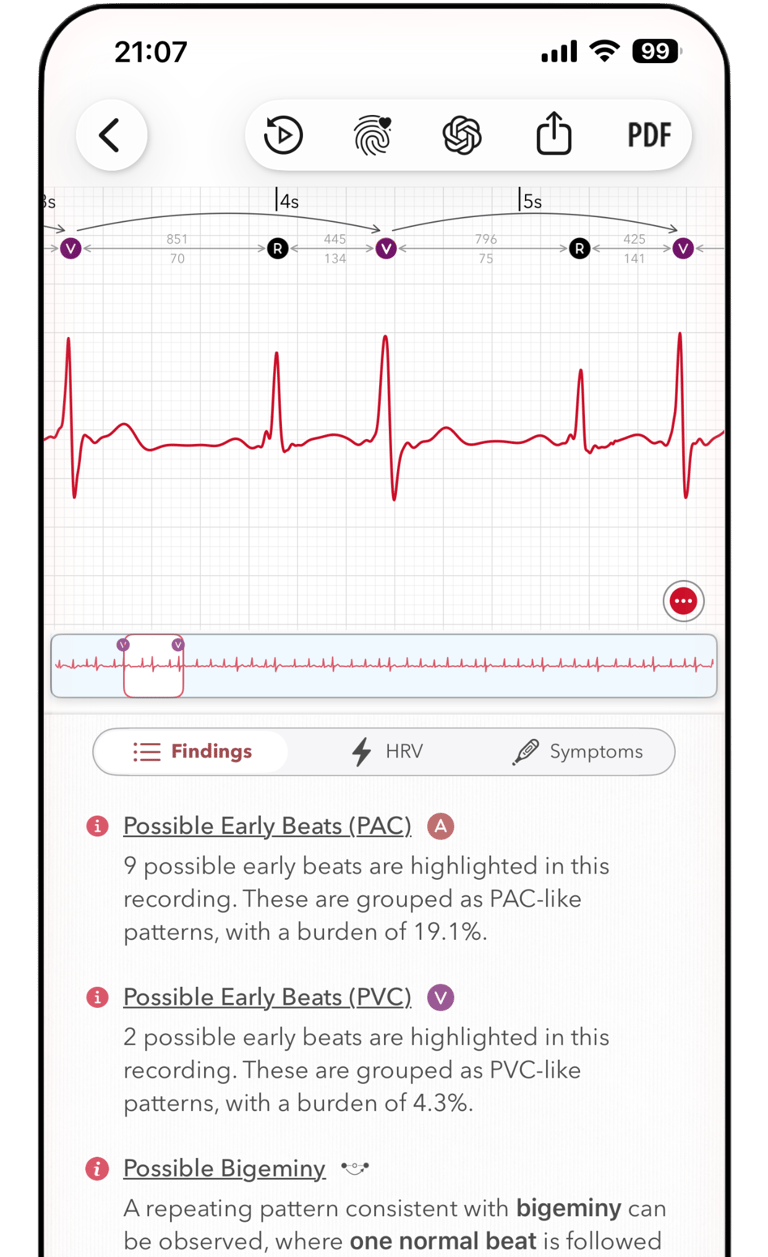
Individual's Electronic accessory delivers a striking feature, the ECG+ program, granting you to receive an electrocardiogram immediately from your wrist. This gadget isn't a offset for regular medical checkups, but it delivers valuable intelligence about your heart flow. The ECG+ app detects atrial fibrillation (AFib), a condition of irregular heartbeat, and can display other heart deviations. To make use of it, ensure your watch and iPhone are supported. You’ll have watchOS 7.5 or advanced and iOS 14 or most recent on your iPhone. The process necessitates placing your fingers on the Digital Crown and another area below it, allowing the watch end the reading. Results are kept in the Health app and can be transferred with your specialist.
- Authenticate proper watch positioning.
- Keep to on-screen instructions.
- Discuss results with a medical professional.
Apple Watch Heart Scan: How Does It Operate
A Smartwatch device’s ECG sensor uses an ingenious approach to monitor your coronary electrical patterns. It performs by utilizing electrical probes located within the circular button and the wristband. When you initiate an ECG test, these parts send minuscule electrical charges through your skin, which afterward register the electrical waveforms of your cardiac cycle. These data points are processed by specialized protocols within the instrument to compile an ECG result, which can then be accessed within the wellness program on your cellphone. As for accuracy, while the Apple Watch ECG feature can contribute valuable clues, it is not considered as a equivalent for a comprehensive ECG performed by a expert clinician. Inquiries have shown different levels of agreement with diagnostic ECGs, highlighting the value for review by a physician and it is obligated to be used as a resource for checking purposes, not for formal judgment of coronary conditions.
Understanding the this timepiece ECG Utility
The specific electronic gadget’s ECG utility can seem confusing, but recognizing how ECG Analyzer it performs is actually simple. It’s significant to understand that this application isn't built to substitute a licensed practitioner’s evaluation; instead, it gives a depiction of your coronary electrical activity. At heart, the watch employs electrodes fixed within the crown and touch to monitor the heart signals. The mechanism can show potential issues like atrial flutter, which calls for additional medical examination.
- It's a screening instrument.
- Always refer to a qualified.
- Evaluate the restrictions.
Cardio Exam on Apple Watch: Understanding Your Cardiovascular Readings
Everyone’s Apple Watch's ECG functionality offers a noteworthy glimpse into your vascular electrical activity. Still, it's imperative to realize that these findings aren't a swap for a professional diagnosis. An ECG is able to detect exceptions like atrial fibrillation (AFib), which is a condition where your pulse beats inconsistently. Diverse findings could include a stable pulse, or infrequent patterns that justify comprehensive investigation by a medical professional. Ensure to share your ECG output with your consultant for correct assessment and specialized suggestions.
Is Your Wearable Watch Cardiac Monitoring Giving Valid Results?
The developing Apple Watch ECG feature presents a tempting glimpse into your cardiac health, but the concern lingers: do they truly offering accurate values? While the Apple Watch ECG is endorsed by the FDA, it's significant to accept it's not a stand-in for a professional specialist evaluation. It’s designed to detect potential AFib, which might suggest a need for further investigation, but false notifications and false omissions are realistic. Several elements, including proper application of the watch and wrist contact, are important in get valid results. Keep in mind consulting with your physician regarding your ECG results and never rely exclusively on the Apple Watch's evaluation.
- Verify proper watch placement.
- Discuss results with your health providers.
- Forgo self-treating based on ECG reports.
Apple Watch ECG & ECG+: Characteristics and Gains Evaluated
An Device offers a innovative ECG and ECG+ component, delivering users to collect one electrocardiogram right away from their wrist. The foundational ECG tool can spot signs of cardiac arrhythmias, the potentially significant heart disease. ECG+ enhances upon this, providing a augmented 30-second recording duration and further analysis geared on revealing leftward cardiac extensions, wherein are regarded as relevant for specific patients with selected profile of unexplained brain insult. These facilities signify a remarkable step forward in carryable clinical tracking apparatus, potentially permitting for proactive action and enhanced recipient benefits.
Troubleshooting Regular Issues with his Apple Watch ECG
If one's Apple Watch ECG program isn't performing successfully, various suspected explanations may and might be somewhat handled. Before anything else, verify your watch and your iPhone are the latest with the recently released software. Then, go for restarting both apparatuses; a fast reboot sometimes solves minor glitches. Also, survey the ECG configurations in the Health interface to validate everything mandatory parameters persist established accurately. In conclusion, if the person is still facing complications, get support from Apple Assistance for extra advice.
Beyond the Essentials: Comprehensive Apple Watch ECG Understanding
While the Apple Watch’s ECG feature offers a notable tool for locating potential atrial fibrillation, probing beyond the standard assessment exposes a dimension of developed possibilities. Thorough observation of the total waveform, including traits like P wave formation, PR timing, and QRS complex, necessitates a thorough insight of cardiac activity. Furthermore, thinking about trends over epochs and correlating ECG results with person’s experience can deliver important insights for next-level therapeutic consideration, despite the fact that it's mandatory to consider that the Apple Watch ECG is is not considered as a stand-in for a accredited cardiac diagnosis.
Best wishes