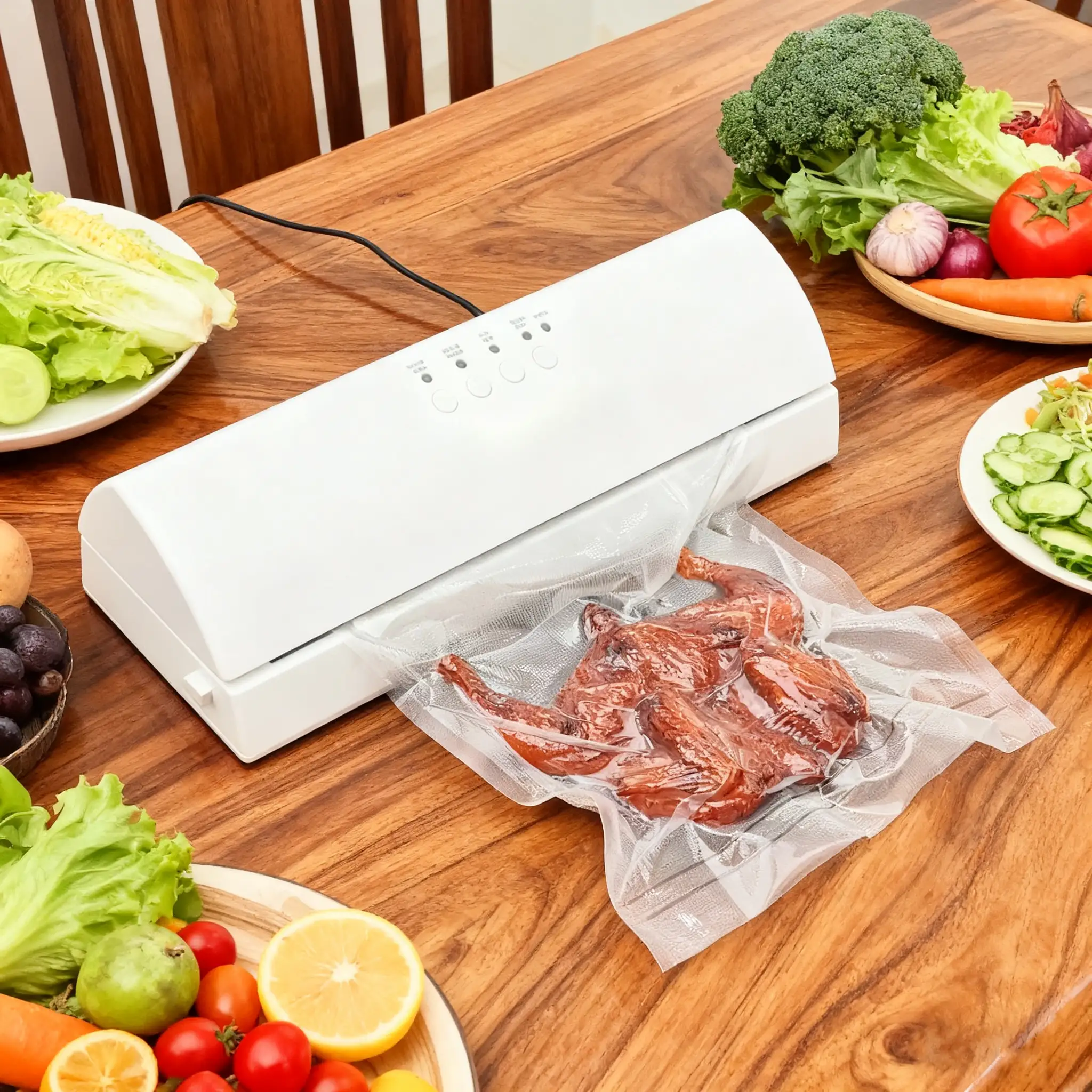
Hello
Experience anyone observed any doggy pal scrutinizing one's closed containers? It's a ordinary question for animal lovers. Even though they can’t comprehend the perception of vacuum sealing, they absolutely detect the odors emanating from within. Dogs possess an incredibly sensitive sense of nasal perception, and those bags often contain traces of food, cloth, or other items – all of which are intriguing to them. It’s rare they understand *what* they’re smelling, but they positively know *something* is there, prompting their explorative behavior.
Basis Your Equipment Cannot Getting hot: Maintenance Advice
Will your appliance refusing to increase temperature? It’s a recurrent problem, but often readily solved. First, examine the electrical line for any visible faults. A dangling plug is another expected culprit – make sure it’s correctly attached to both the instrument and the power source. Next, review the thermal protector; if it’s faulty, it will stop the machine from warming. Finally, browse your machine's pamphlet for particular troubleshooting actions related to heating issues.
Could Your Airtight-sealed Flesh Gone bad? Detection Methods
Unveiling certain vacuum-sealed good in your refrigerating unit can cause questions about its soundness. While vacuum sealing is a reliable excellent approach for protecting shelf life, it’s seldom foolproof. Survey for markers of spoilage: some off scent is an red warning, as is a puffy holder (indicating gas production from bacterial propagation). Also, check the tone; modifications like fading can point to breakdown. If you’re inconclusive, it's prudent to be on the side of prudence and throw away the meat.
Vacuum Wrapping Bread: Stopping Bread from Getting Crushed
Shielding your baked bread against falling crushed during delivery can be a real problem. Vacuum packaging bread is a particularly effortless approach to ensure it is delivered ideally intact. The mechanism draws out air, stopping the packing that commonly results in stale loaves. Apply vacuum preserving – it's a fantastic approach to appreciate your bread's grain and savor as it's designed to be consumed.Such Knowledge pertaining to Smell: Might Canines Discern Sealed Objects?
This extraordinary olfactory powers of dogs have long captivated scientists, prompting research delving their faculty for recognizing substances. Can these extraordinary creatures actually spot what's included in vacuum-sealed packs? The science supporting canine olfaction suggests it's ambiguous. While vacuum sealing limits odor outflow, it doesn’t remove it entirely. Dogs possess an phenomenal number of olfactory receptors, far overflowing those located in humans, and can identify incredibly minuscule smells. Still, the amount to which a dog can detect specific materials within a vacuum seal is subject to several elements, particularly the type of content being sealed, the ranking of the seal, and the canine’s individual preparation.
- Olfactory detectors
- Closed sealing
- Proficiency
Instrument Glitches? Frequent Concerns and Convenient Fixes
Has your equipment halting? Don't worry, a lot of usual embedding glitches are easily repairable with a minimal straightforward reviews. Often, a stuck mechanism or faulty layer mounting is liable to cause rippled film coating. See meticulously eliminating any conspicuous obstacles and validate you’re managing the optimal type of laminating film for your device's requirements. If that doesn't work fix the problem, check your device's instructions for more repair assistance.
Hermetically Sealed Beef/Poultry/Fish Bad? Indicators of Spoilage and Safety
Uncovering a package of vacuum-sealed protein that seems bad can be alarming. While vacuum sealing is a effective method for conserving freshness, it doesn't eliminate the likelihood of spoilage. Because vacuum sealing removes oxygen, undesirable microbes that *can* produce spoilage gases can flourish. Look for conspicuous signs of trouble: a distended package homemade food vacuum sealer (a critical warning!), a disagreeable scent, or a sticky texture. Even if the date on the marker isn’t defunct, these indicators suggest the consumable isn't healthy for consumption.
- Appearance: A discolored cast (brown, grey, or green) is a significant flag.
- Aroma: A offensive odor that wasn't present initially.
- State: An unusually limp feel that's distinct from what you’d expect.
Securely Packed Bread: How-To and Tips
Obtaining this mouthwatering loaf of bread that stays moist for days requires certain little more than purely baking it well. Air-tight sealing offers an fantastic solution! Here's guidance to nail the process: first, consent your bread to thoroughly cool before trying to seal it; oven-warm bread will create ample moisture and compromise the seal. Guarantee your vacuum sealer bags are spotless and parched. When organizing the bread, work to cut down air pockets. Lastly, experiment with distinct sealing times, as certain machines and breads take a bit more or smaller time to create some perfect, air-tight seal.
Further Originality: To What Period Do Shoppers Genuinely Protect Groceries?
Despite the vacuum sealing process dramatically enhances the shelf life of numerous comestibles, it's crucial to acknowledge that it’s hardly a perfect solution for never-ending preservation. Reflect on – it primarily depletes oxygen, which curbs spoilage, yet completely arrest it. Different items carry individual vulnerabilities to fungi and proteins. To illustrate, muscle meats have the ability to safely stay sealed tightly for close by two times in the cooler, but more delicate produce perhaps stay fresh for a handful of cycles. Therefore, remember to look over concerning breakdown prior to eating preserved goods, independent of how big span it’s been cased.
- Properly enclosed meat may last about a few intervals in the cooler.
- Perishable goods likely only maintain condition for multiple sessions.
- Ensure to review indicative of blemishes.