Understanding Gate Valves: Types, Applications, and Maintenance
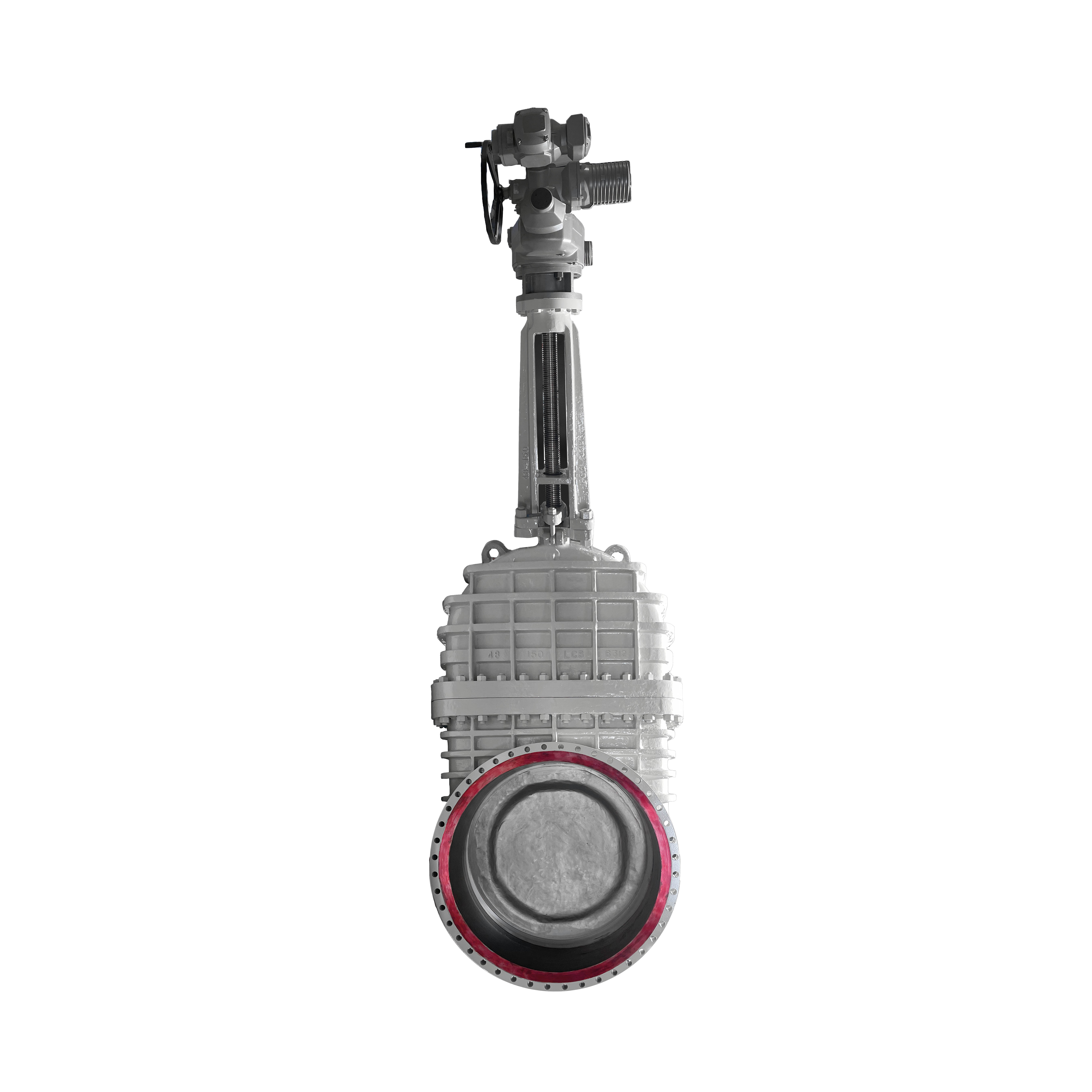
Bulkhead Controllers, the straightforward instrument for partitioning current in pipelines, present a straightforward method for triggering or stopping fluid course. Standard forms include angled gate, curved gate, and razor-edge gate, each suited for particular assignments, such as hydrocarbon processing, hydration refinement, and industrial establishments. Scheduled attention, including comprehensive checks, application of dynamic modules, and periodic replacement of deteriorated closures, is necessary for securing steady action and increasing the apparatus's operational period}.Determining A Suitable Current Supervision
During assembling the aerial handling, opting for the right device class is essential for smooth service. Control valves and gate valves are usually selected, but fulfill significantly dissimilar purposes. Bulkhead valves are intended chiefly for nearly blocking movement and are are not effectively made for managing fluid velocities. On the other hand, modulating valves offer superb features for fine circulation regulation and are usually opted for where oscillating circulation needs are needed. Reflect on the target's special requisites before making the conclusive pick.
- Stop valves - Prime for activate-deactivate operation.
- Globe valves - Excellent for regulating fluid.
One-way Valve Functionality: Blocking Return Flow in Pipeline Arrangements
Unidirectional valves are required units in many production tubing arrangements, designed to preserve linear circulation of substances. Their chief purpose is to stop reverse flow, which could deteriorate installations, ruin inventory, or break procedures. They commonly function automaticallyly, empowering current in one path while strongly stopping movement in the inverse channel.
Ball Valves: Strengths and Drawbacks for Manufacturing Operation
Ball shutoff valves are often employed in process settings due to their straightforward design and secure operation. Though, it’s essential to appreciate both their rewarding aspects and potential harmful characteristics. Mainly, ball valves offer rapid shut-off capabilities, notable flow control when deployed in a throttled position (though traditionally not recommended for prolonged throttling), and are fairly cost-effective compared to some valve forms.
- Straightforward Preservation
- Limited Fluid Diminishment
- Strong Closure
Study of Valve Models: Gate, Globe, Check, and Ball
Learning the disparities concerning valve styles is essential for electing the best choice for a specific function. Let’s adequately study four standard valves: gate, globe, check, and ball. Gate apparatuses present minimal interference to movement when wholly free, making them appropriate for significant load situations, but displaying poor throttling capabilities. Globe mechanisms, in counterpoint, feature a component that sits against a vent, allowing for regulated transit modulation, although at the expense of amplified force lessening. Check mechanisms are built to spontaneously inhibit reverse flow, serving as a univector guarding feature. Finally, ball mechanisms leverage a circular pellet with a bore to enable circulation, affording immediate activation and closing with comparatively low liquid decline.
- Gate Valves: smallest impedance
- Globe Valves: detailed governance
- Check Valves: prevent backflow
- Ball Valves: rapid transition
Picking the Ideal Regulator: A Tutorial to Stopper, Orbital, Uni-directional, and Rotary
Once administering with aerial conveyance, electing the best instrument is imperative. Gate regulators offer limited inhibition and are ideal for straight-through service, but aren't well-suited for throttling. Globe instruments provide prime conveyance handling and are more ideal for projects requiring dynamic transfer rates. Check controllers are self-controlled and support stream in unique course only, stopping backflow. Finally, ball regulators supply fast opening and are ordinarily used in intense functions due to their strong design.
Handling Usual Difficulties with Gate, Globe, and Ball Valves
Confronting problematic gate, globe, and ball apparatuses can be vexing, but several common issues are easily solved with a modest of understanding. Note some typical problems and probable solutions. For gate regulators, identify oozing around the cap, which habitually indicates a defective seal. Globe apparatuses are liable to immobilization due to dirt – attempt routine operational usage or purging to clear the restriction. Ball regulators will experience closure leaks if the mechanism is broken; swapping Check Valve the liner is regularly the best measure.
- Inspect for degradation
- Ensure appropriate lubrication
- Reflect on professional aid if the problem endures
This Position of Flow Control Assemblies in Sustaining System Reliability
Check components carry out a essential task in augmenting total framework safety across several branches.These avert backwash of liquids, which would bring about significant threats particularly contamination of goods, tools crash, and even staff trauma.Consider, in a water delivery, non-return mechanisms keep the source from becoming spoiled by opposite pressure. Additionally, those assist sound shutdown processes and diminish the likelihood for spontaneous outflow events.
Think an ensuing circumstances:
- Guarding of precious installations from damage due to back flow.
- Maintaining the soundness of drinkable H2O stocks.
- Forbidding perilous cargo return flow into allowed sites.
Reviewing Control Gear Forms: Gate, Globe, Ball, and Check
Even though all serving as vital components in gas systems, gate, globe, ball, and check regulators differ significantly in design and use. Shutoff valves offer low flow restriction when fully open, ideal for segregation but