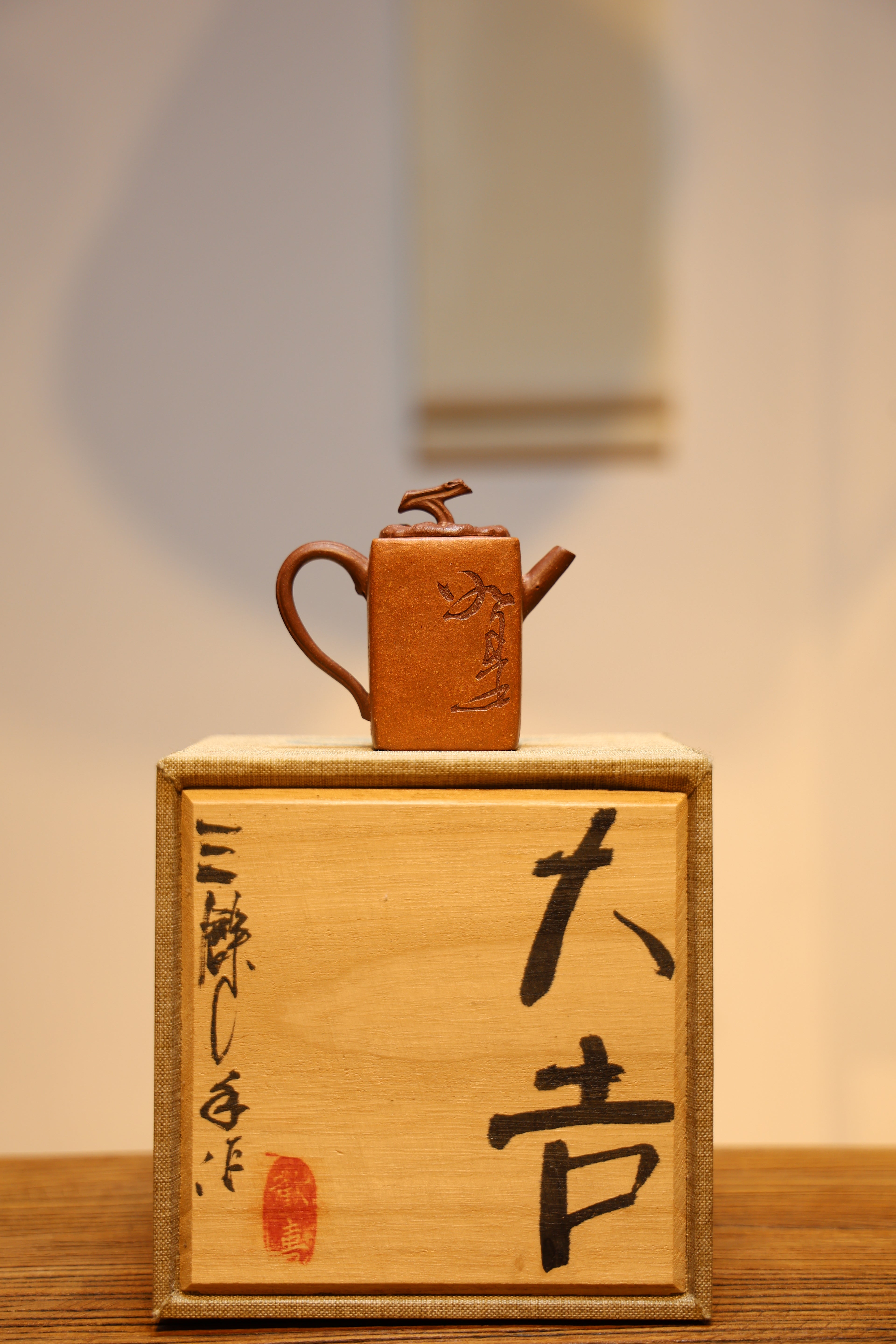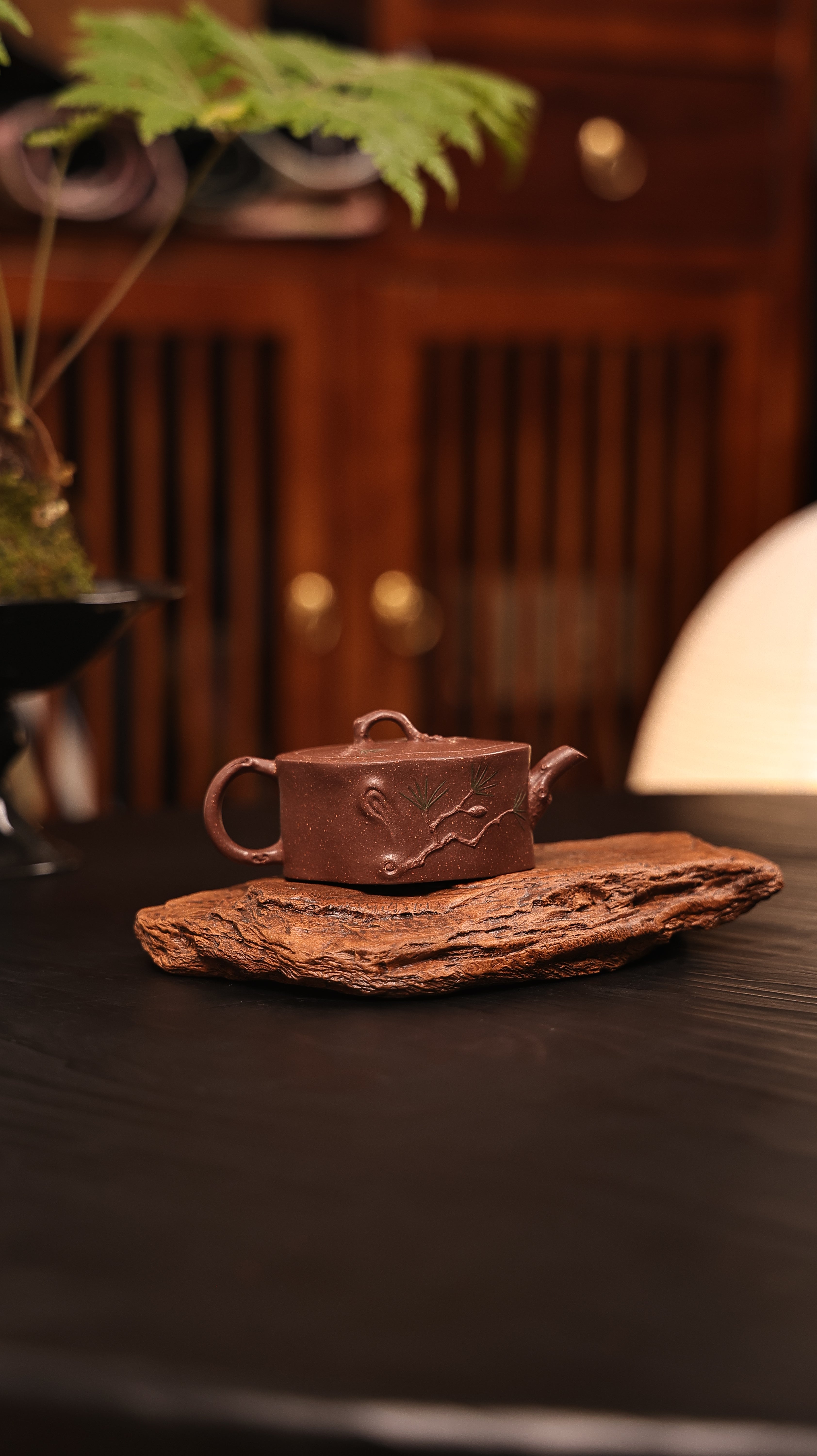
Opening this extensive survey concerning Yi-hsing Tzu-sa teapots provides an compelling amalgamation encompassing dexterity plus utility.
宜兴 紫砂 clay pots enjoy one exceptional charm among collectors internationally. The fascinating ceramic pots, produced from the specific Yixing location inside Jiangsu administration, China, stand as more than just brewing instruments; they function as works artistic beauty and historical significance. Special finely sorted clay, known referred to as Zisha, imparts a delicate flavor upon the tea, and the intricate designs, often casting traditional Chinese elements, enhance their intrinsic value. Possessing a genuine Yixing Zisha teapot presents a satisfying journey, demanding careful inspection and an cognizance of the diverse factors influencing their specialness.
Investigating Yixing Vessels
Yihsing pottery vessels boast a storied history deeply interwoven with Chinese civilization. Originating in Yixing, Jiangsu territory, these pots are crafted from a unique, porous purple soil found only in that particular location. Their progression began during the Ming reign, with master potters refining the practices over years. Numerous types occur, including the classic Hexiang (resembling crab shells), Zhuni (red-brown hue), and Duan Zisha Teapot Ni (stone-studded) – each with distinctive characteristics. The merit of an Yixing vessel isn't solely based on its size or accessories, but also on the creator’s reputation, the earth's quality, and the pot’s age and condition. Buyers often seek out older examples, believing they imbibe the nuance of the elixir brewed within them over time, further adding to their desirability.- Heritage Clay Pots
- Chestnut Clay Pots
- Rock-Decorated Clay Pots
Zisha Teapot Mastery: Craftsmanship & Procedures
Exclusive production of Zisha teapots represents a climax of Chinese ceramic skill. Accomplished artisans employ age-old techniques, often passed down through descendants, to unlock the full charm of this unique clay. Approaches involve meticulous fashioning by hand, often combined with the twisting method, followed by precise glazing at incredibly potent temperatures in wood-fired kilns. Decorating is equally crucial; creators utilize authentic clay colors and may incorporate sculpting work to depict intricate scenes or patterns, demonstrating a profound comprehension of the material’s traits and capability. The completed teapot isn't merely a vessel for tea, but a testament to a lasting cultural heritage.
Ancient Earthenware: An Guide to Yi-hsing Tzu-sha
Delving into the world of Oriental teapots routinely kicks off with Yixing Zisha. These distinctive clay containers are fashioned from a dedicated type of clay found only in the Yixing region of the Jiangsu province. Acclaimed for its exclusive reddish-purple hue and high-quality qualities, Zisha clay provides a gentle flavor to the beverage and ripens with age, shaping into a cherished heirloom. Owning Yixing Zisha pots is more than just holding a stunning object; it’s a recognition of history and expertise.
Looking at exclusive Zisha: Authenticity & Value
Entering the market of Yixing Zisha artifacts can be incredibly profitable, but necessitates a thorough perception. Truthfulness is vital; countless copies circulate, sometimes skillfully created. Gaining understanding about conventional baking processes, unique clay characteristics, and the stamps of esteemed creators is entirely important. Additionally, recognizing the subtleties of the expansion development – influenced by circumstances such as traditional meaning and the condition of the componentry – is decisive to fruitful collection.
- Researching roasting lineage.
- Hiring authorities for substantiation.
- Judging commerce fluctuations.
Unique Practice of Brewing with a Ceramic Brewer
This exclusive allure of a Zisha kit lies not just in its exquisite appearance, but also in its profound impact on the bouquet of the infusion. These ancient clay ceramic pots, sourced from certain regions of China, possess a basic porosity that quietly interacts with the liquid and leaves, imbuing the tea with a refined character. Mastering the art requires a thoughtful approach, understanding how the earthen material responds to assorted thermal conditions and vegetative types, ultimately leading to a indeed rewarding tea-drinking encounter.
Protecting Own Heirloom
Proper management of your Yixing urn is fundamental to sustaining its lastingness. These exceptional teapots, crafted from exclusive Yixing clay, form a gradation over decades that magnifies their appeal. Sometimes rinse the inside with filtered water, avoiding detergents, and never use rough scrubbing tools. Occasional gentle dusting with a plush cloth can aid in wiping away marks. Allow your kettle to properly dry once each infusion
Decoding Terracotta: Elements Yixing Clay Pots Exemplify Distinct
The acclaimed appeal of Yixing teapots starts from the distinctive properties of Clay clay, harvested solely near Yixing, China. This extraordinary clay, known as ferruginous mineral , exhibits a distinctive combination of particles that, over time, imbibe the essence of the drinks it handles. This results in a individual essence for each earthen vessel, ensuring it a value far more than its primary price and aiding to their esteemed status among specialists.
Finding the Ideal Eastern Pottery Piece: A Earthen Directory
Venturing into the world of Yixing clay teapots can feel complicated, but understanding the baselines is imperative to selecting a treasured piece. Such clay, sourced mostly from the Yixing zone, Jiangsu locality, is noted for its peculiar structure and ability to adapt the note of the liquor over long haul. Assess the silhouette, the brightness, and the artistry; a bona fide Zisha teapot is more than just a urn; it's a handmade piece and a illustration of historic culture. Search for the stamp of the craftsman for clues to its background and potential importance.