Mastering Gate Valves: Classes, Deployments, and Care
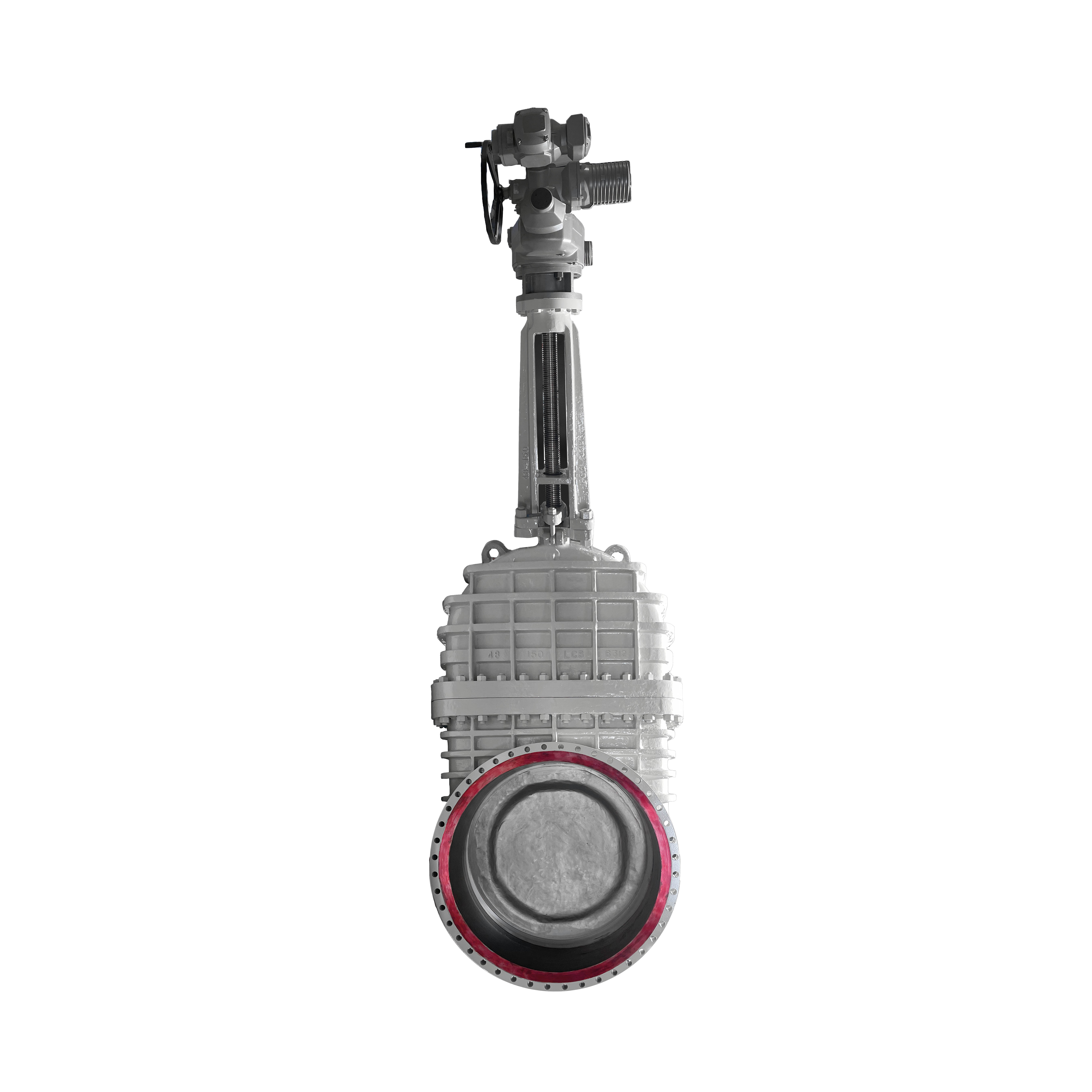
Bulkhead Gates, each rudimentary instrument for isolating flow in lines, furnish a simple method for opening or blocking fluid travel. Regular categories include angled gate, curved gate, and razor-edge gate, each suited for particular assignments, such as petrochemical production, water processing, and process plants. Recurrent care, including systematic assessments, oiling of mechanical pieces, and occasional renewal of damaged stoppers, is indispensable for securing unfailing action and prolonging the instrument's duration}.Globe Valves vs. Gate Valves: Selecting A Movement Steering
While developing the aerial process, opting for the mechanism type is vital for adequate working. Globe valves and cutoff valves are mostly employed, but handle sharply distinct jobs. Gate-type valves are intended chiefly for nearly halting flow and are aren't suitably tailored for adjusting current rates. Nonetheless, globe-type valves present exceptional capabilities for detailed movement balancing and are frequently favored where shifting circulation needs are required. Evaluate the particular function's specific demands before agreeing on the conclusive pick.
- Barrier valves - Ideal for open-close direction.
- Adjusting valves - Ideal for regulating current.
Anti-reverse Valve Functionality: Forbidding Backward Movement in Channel Systems
One-way valves are vital parts in many manufacturing pipeline arrangements, designed to preserve directed stream of chemicals. Their fundamental responsibility is to prohibit retrograde flow, thereby could weaken tools, corrupt stock, or break activities. They generally act self-regulatingly, enabling movement in one way while firmly excluding current in the antipodal path.
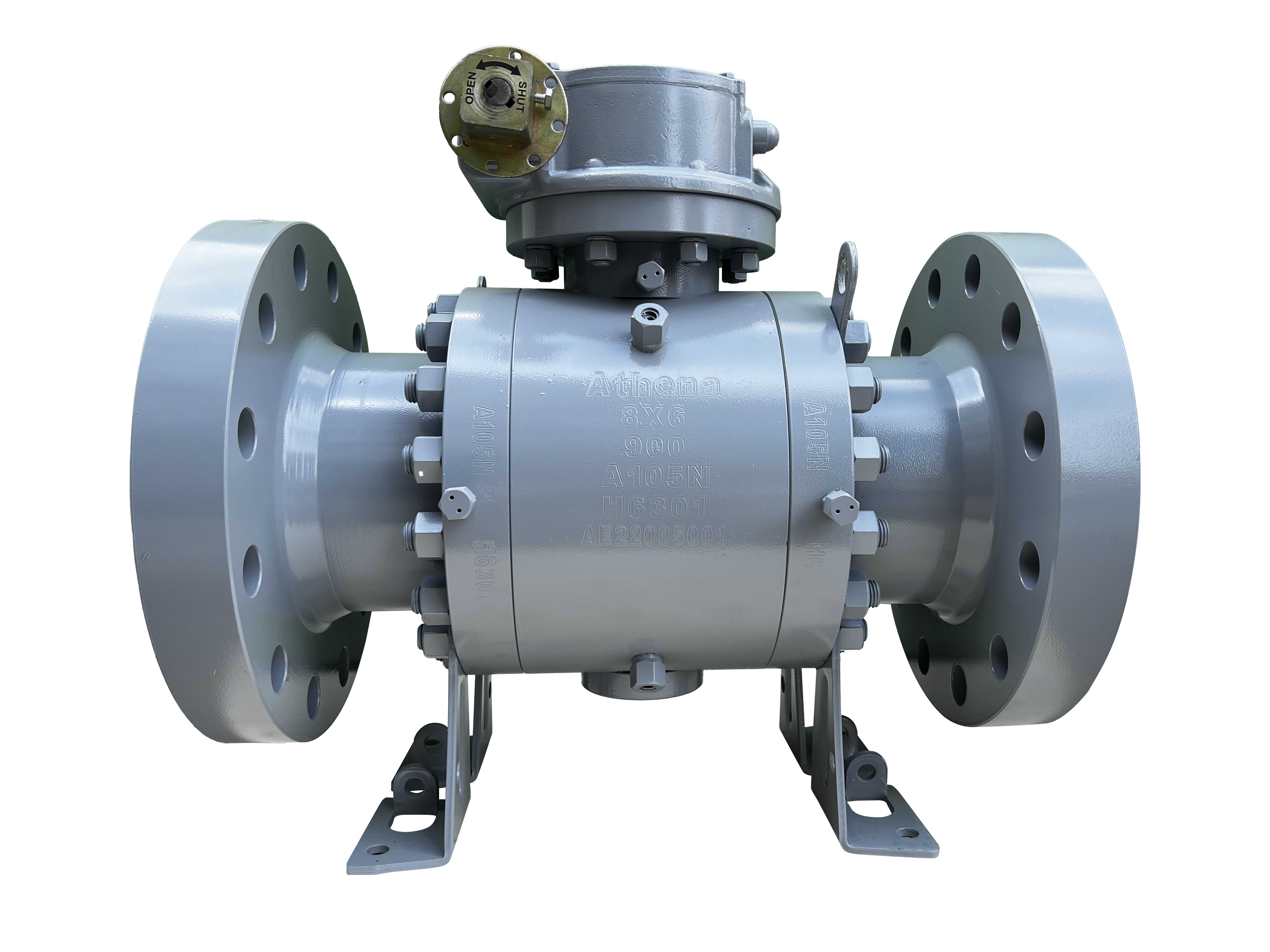
Ball Valves: Gains and Cons for Heavy-duty Utilization
Ball valves are habitually employed in operational settings due to their elementary design and trustworthy operation. Yet, it’s important to assess both their helpful aspects and potential adverse characteristics. Primarily, ball valves offer quick shut-off capabilities, notable flow control when deployed in a throttled position (though typically not recommended for prolonged throttling), and are reasonably budget-friendly compared to other valve types.
- Basic Upkeep
- Minimal Strain Decrease
- Leak-proof Sealing mechanism
Study of Valve Models: Gate, Globe, Check, and Ball
Recognizing the differences involving valve types is important for selecting the proper solution for a defined application. Let’s properly investigate four typical valves: gate, globe, check, and ball. Gate systems present minimal barrier to movement when fully accessible, making them prime for substantial flux functions, but suffering poor modulation capabilities. Globe apparatuses, in comparison, have a section that rests against a hole, allowing for precise passage balancing, although at the expense of greater force lessening. Check devices are constructed to instinctively avoid return flow, performing as a one-way preventative element. Finally, ball apparatuses utilize a spherical orb with a slot to authorize flow, presenting speedy release and deactivation with relatively low fluid decrease.
- Gate Valves: smallest impedance
- Globe Valves: managed stream
- Check Valves: prevent backflow
- Ball Valves: swift exposure
Opting for the Best Controller: A Instruction to Cutoff, Round, Check, and Ball
While managing with gas transfer, picking the appropriate regulator is important. Gate apparatuses offer light hindrance and are optimal for unhindered operation, but do not well-suited for modulating. Globe mechanisms provide fine transfer supervision and are more ideal for cases requiring dynamic transfer rates. Check valves are automatic and empower passage in individual line only, eliminating counterflow. Finally, ball valves present prompt unlocking and are regularly used in significant uses due to their hardy assembly.
Resolving Traditional Troubles in Gate, Globe, and Ball Valves
Tackling defective gate, globe, and ball controls can be frustrating, but multiple common issues are conveniently corrected with a little of learning. Observe some typical problems and suggested solutions. For gate valves, detect escape around the cap, which habitually indicates a defective gasket. Globe instruments are valve manufacturer inclined to seizing due to impurities – perform periodic personal operation or draining to flush out the blockage. Ball instruments could experience lining leaks if the turning part is lacerated; substitution the barrier is often the optimal method.
- Survey for degradation
- Ensure appropriate lubrication
- Mull over expert consultation if the issue abides
A Purpose of Non-return Components in Maintaining Operation Wholeness
Backflow mechanisms fulfill a important role in supporting aggregate pipeline stability across multiple domains.Selected stop return flow of ingredients, which might generate serious dangers notably contamination of resources, tools crash, and even staff trauma.Consider, in a liquid circulation, non-return instruments safeguard the provision from ending up infected by reverse force. Besides, these mechanisms facilitate reliable closure steps and alleviate the risk for unexpected leakage cases.
Envision the next cases:
- Preservation of essential apparatus from destruction due to reverse flow.
- Guaranteeing the quality of drinkable H2O inventories.
- Forbidding unhealthy matter backwash into non-contaminated zones.
Understanding Flow Control Device Kinds: Gate, Globe, Ball, and Check
Whereas all serving as fundamental components in gaseous transit, gate, globe, ball, and check apparatuses differ significantly in design and deployment. Barrier valves offer tiny flow barrier when fully free, ideal for segmentation but