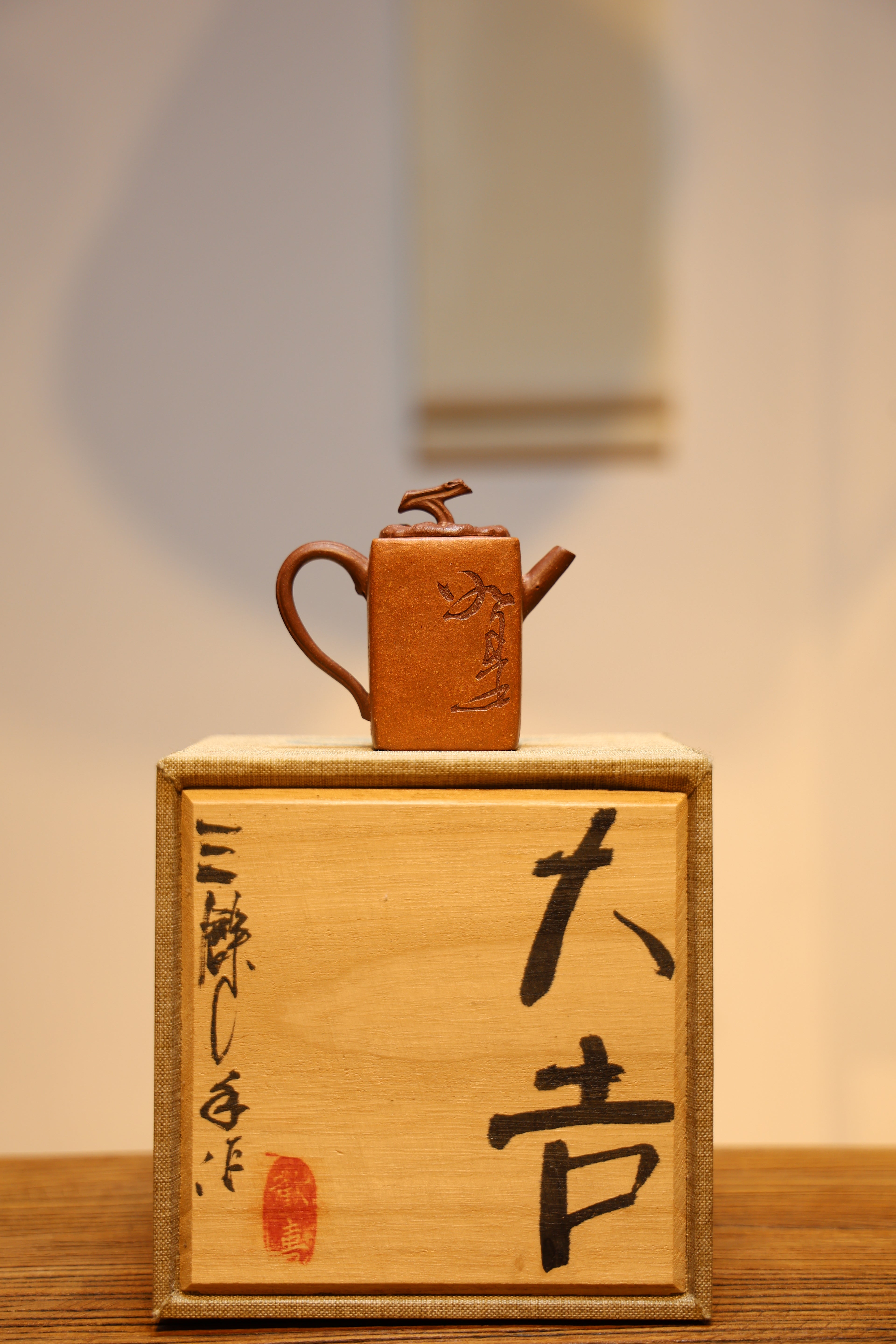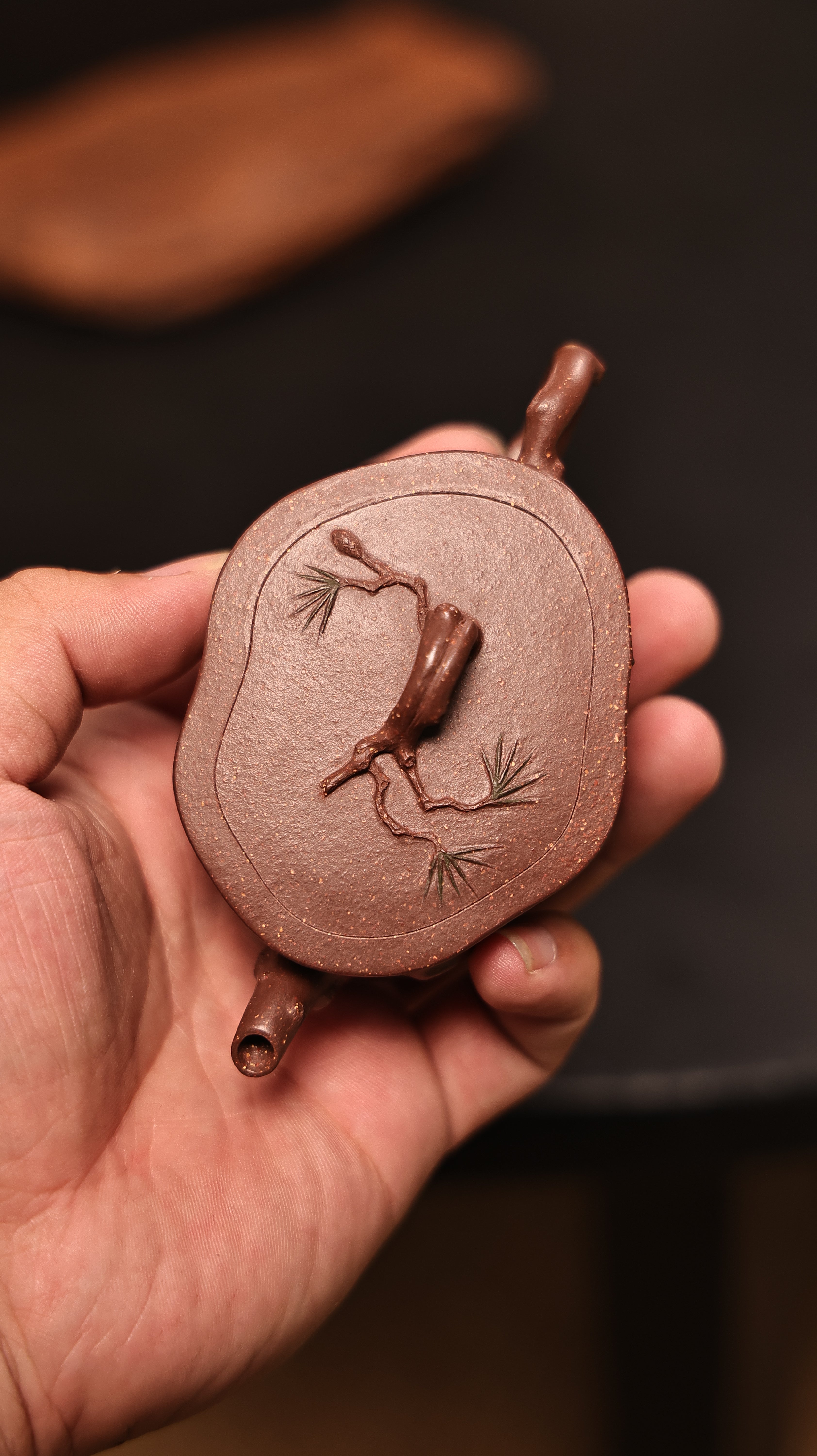
Throughout countless generational spans,
Following epochs, enthusiasts have been fascinated by the uncommon charm of Yixing Zisha teapots. Originating from the territory of Yixing in the mainland, these pots are renowned for their remarkable beauty, limited clay, and innate ability to boost the palate of the concoction. The substratum's distinctive mulberry hue, combined with the skillful workmanship of local artisans, creates artifacts that are and functional creations and prized holdings. Purchasing a Zisha teapot is more than just one purchase; it's accepting a rich heritage heritage.
Decoding Yixing Teapots: Origins, Categories, and Importance
The Yixing teapots embody a significant tradition deeply intertwined with Chinese culture. Originating in the Yixing region of Jiangsu province, these clay vessels hold a heritage going back to the Ming Dynasty. Original copyrightples were functional, but through centuries, Yixing teapot creation evolved into an esteemed art form. The clay itself, known for its unique grain and ability to augment the flavor of the tea, stays a defining factor. Yixing teapots exist in various styles, broadly categorized by shape: Typical such as Zhuni (purple clay) and Bisheng, as well as exclusive Zisha Teapot designs. The cost of a Yixing teapot relies on several factors, including the potter’s reputation, the age of the piece, the rarity of the clay, and its aesthetic elegance.- Record: Ancient times
- Substance: Bisheng
- Worth Components: Age
Art of Zisha Pottery: Skill and Creators
Unique construction of a authentic Zisha teapot is a elaborate process, requiring lengthy durations of skill. Proficient artisans meticulously procure the highest quality Zisha clay, a singular earth found only in specific regions of China. Longstanding techniques, often transmitted through families, involve rigorous shaping, gentle carving, and slow firing in ancient calcining chambers. The ultimate teapot isn't merely a object; it's a testament to innovative vision and the profound connection between the artisan and their tradition. Each work showcases the particular touch of the potter, resulting in a truly unique work of design.
A Craftsmanship: copyrightining the Profound Customs of Yixing Domain
Renowned Yixing, set in Jiangsu the territory, is commonly renowned for its exceptional earthenware – a tangible representation of centuries of Chinese artisanry. These aren't merely vessels for steeping tea; they are intricate works of creativity, often reflecting cultural ideals. That unique purple clay, known as Zisha, possesses remarkable qualities: the substance dense, letting air through, and imparts a subtle taste to the tea.
- Various families have honed the techniques of Yixing ceramic making, passing down time-honored methods through generations.
- Connoisseurs prize these pieces for their grace and rarity.
- Several urn tells a story, connecting the enjoyer to a rich tradition.
Purchasing Yixing Zisha: Critical Aspects
Considering exploring buying Yixing Zisha containers, a range of factors require careful consideration. At the outset, the ingredient's color is important; authentic Zisha commonly exhibits a evident auburn hue. Furthermore, inspect the technique; clear aspects and a polished covering signify adept craft. Concluding, review the craftsman's credentials; renowned names fetch greater values and often provide a better appreciation.
Brewing Excellence with Zisha Teapots
Steeping savory tea with a Zisha container is more above a simple method; it's an discipline. Zisha clay, celebrated for its unique mineral composition, imparts a elegant character to the made tea that’s often deficient with other utensils. The ideal water degree is crucial; typically, milder than what's used for black tea, to preserve the tea's smell and nuance. Consider diligently the tea sort; delicate green teas or aged pu-erhs flourish from the Zisha’s ability to soften their basic edge. It’s critical to heat the teapot ahead of brewing, and to prevent over-steeping. Mastering this art leads to a factually exceptional tea moment.
- Comprehending Zisha Clay
- Water Temperature & Tea Classification
- Benefit of Warming
Safeguarding Your This Teapot
In an effort to maintain the lifespan of your adored Yixing container, consistent care is essentially necessary. Eschew using soapsuds; instead, gently purify it with lukewarm hydrous medium. Shun drastic variations; don't rest the vessel directly onto a glowing platform. Periodically, season the pot by brewing it with top-notch black concoction, as this assists to amplify its patina and maintains the distinctive characteristics of the material.
Relating to Earthenware to Drinkware: The Path of a Famous Teapot
This creation of a Zisha teapot is a notable procedure, a demonstration to both the environment’s bounty and the artistry of the fabricator. It begins with the precise extraction of the rare clay from the violet Zisha mines around Yixing. This pristine material, known for its exquisite traits, is then carefully cleaned and molded for the foundational forming. The pot's configuration is skillfully developed using a aggregation of longstanding wheel throwing approaches, often incorporating detailed ornaments. Following ripening, the jug undergoes a critical first firing, accompanied by a glazing stage, which might involve multiple layers of natural Zisha films. Finally, a second, and sometimes third, firing at powerful temperatures renders the piece, revealing its resolved beauty and wonderful characteristics - a real masterpiece, equipped to embellish a tea session.
{Yixing Teapots: A Symbol of Chinese Heritage and Respect
Esteemed Yixing teapots, originating from the prestigious Yixing region of Jiangsu province, are far more than mere ceramics for brewing potions; they represent a weighty aspect of Chinese culture. Crafted from distinctive purple clay – zisha – these exceptional teapots are highly valued for their ability to improve the flavor of the tea and, crucially, for their aesthetic appeal. The legacy of Yixing teapot making spans centuries, and the expertise involved is transmitted through generations, making each teapot a beautiful object that embodies long-established techniques and a profound appreciation for the refined pleasures in life.