Within the sphere of enduring traditions,
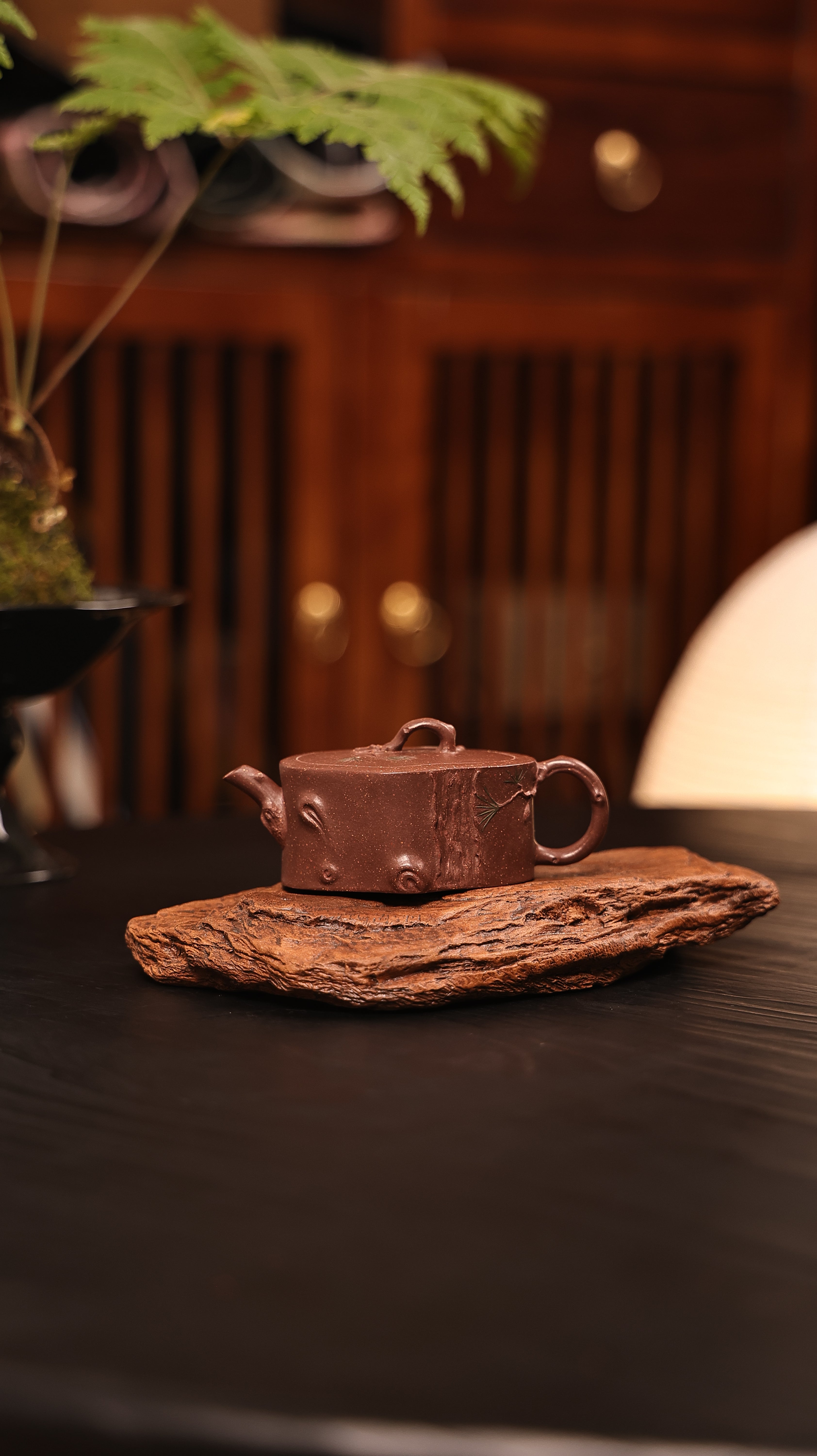
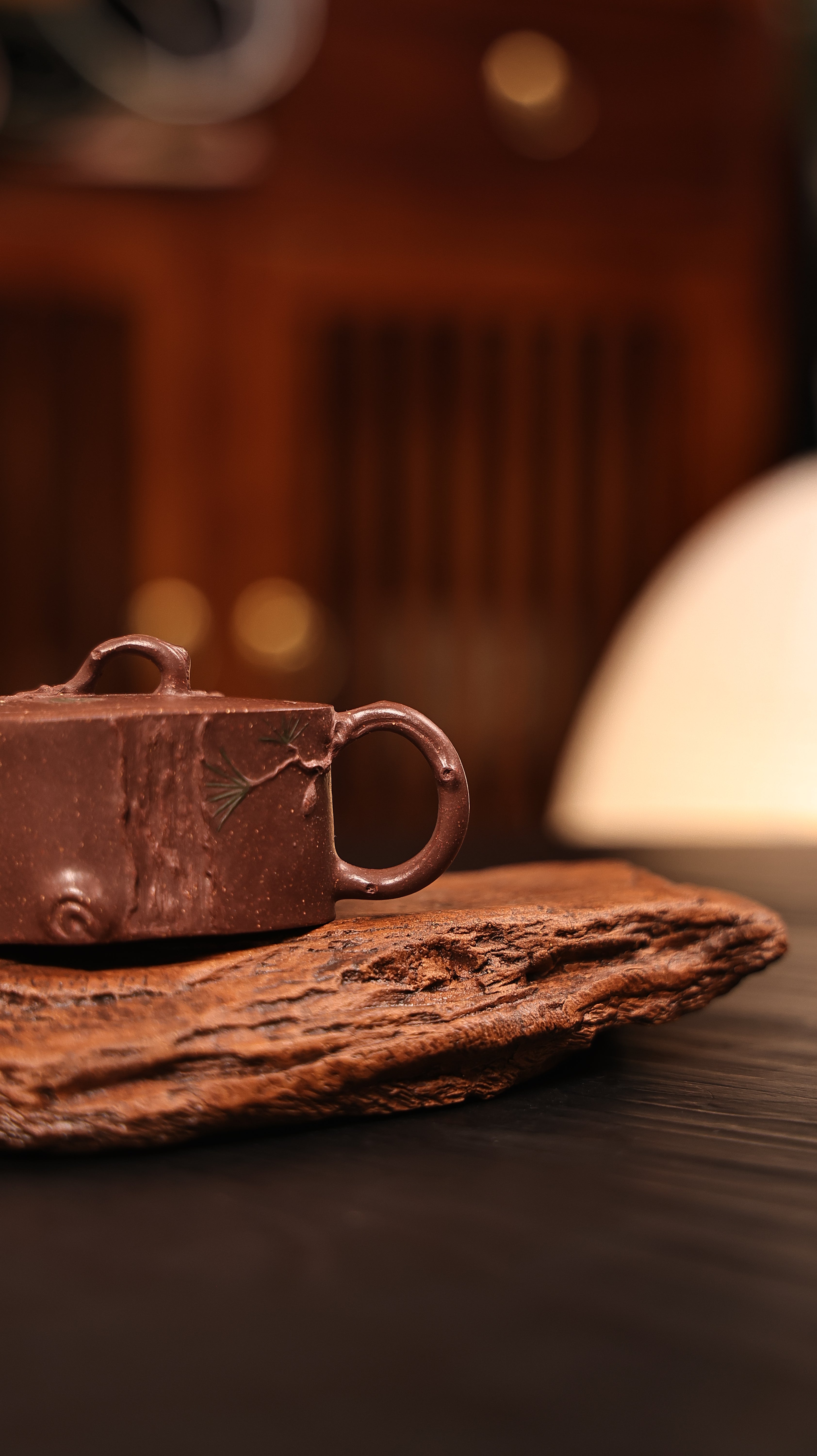
Throughout ages, heritage seekers have been captivated by the rare charm of Yixing Zisha vessels. Originating from the district of Yixing in the Chinese province, these containers are renowned for their remarkable beauty, infrequent clay, and built-in ability to enhance the aroma of the liquor. The substratum's distinctive reddish-purple hue, combined with the expert creation of environmental artisans, creates pieces that are concurrently functional productions and valuable possessions. Purchasing a Zisha teapot is more than just certain purchase; it's inviting a rich cultural heritage.
Comprehending Yixing Teapots: Evolution, Kinds, and Price
Yixing teapots represent a fascinating past deeply intertwined with Chinese culture. Deriving in the Yixing region of Jiangsu province, these clay vessels contain a heritage connecting back to the Ming Dynasty. Preceding examples were functional, but throughout centuries, Yixing teapot building evolved into an esteemed art form. The clay itself, known for its unique composition and ability to raise the flavor of the tea, persists a defining factor. Yixing teapots emerge in various models, broadly categorized by shape: Established such as Zhuni (purple clay) and Bisheng, as well as exclusive designs. The esteem of a Yixing teapot turns on several factors, including the potter’s prestige, the age of the piece, the rarity of the clay, and its aesthetic charm.- Chronology: Founding era
- Earth: Multiple varieties
- Valuation Parameters: Craftsman's renown
Art of Zisha Pottery: Skill and Creators
Distinct fabrication of a legitimate Zisha teapot is a challenging process, requiring generations of expertise. Proficient artisans meticulously identify the best Zisha clay, a rare earth found only in specific regions of China. Established techniques, often bequeathed through families, involve detailed shaping, refined carving, and slow firing in ancient incinerators. The definitive teapot isn't merely a receptacle; it's a testament to artistic vision and the weighty connection between the creator and their tradition. Each piece showcases the specific touch of the craftsman, resulting in a truly one-of-a-kind work of making.
Traditional Teapots: Surveying the Abundant Traditions of the Yixing Territory
Renowned Yixing, located in Jiangsu the area, is internationally renowned for its exceptional culinary pots – a tangible representation of centuries of Chinese heritage. These aren't merely vessels for brewing tea; they are Yixing Teapot intricate works of innovation, often reflecting cultural ideals. Such unique purple clay, known as Zisha, possesses distinctive qualities: the element dense, permeable, and imparts a subtle nuance to the tea.
- Numerous bloodlines have honed the techniques of Yixing ceramic making, passing down cherished methods through families.
- Fans prize these pieces for their aesthetic and oddity.
- Every object tells a story, connecting the consumer to a rich foundation.
Purchasing Yixing Zisha: Critical Aspects
When evaluating get Yixing Zisha vessels, numerous points warrant careful consideration. Preliminarily, the clay’s shade is paramount; authentic Zisha typically exhibits a characteristic maroonish hue. Moreover, scrutinize the execution; exacting details and a elegant overlay signify competent workmanship. Lastly, review the artisan's profile; reputable names command greater premiums and often deliver a secure profit.
Artisan Techniques for Brewing Tea in Zisha Pots
Steeping savory tea with a Zisha jar is more over a simple habit; it's an skill. Zisha clay, acclaimed for its unique structural composition, imparts a elegant character to the made tea that’s often wanting with other devices. The fitting water thermal condition is key; typically, moderated than what's used for black tea, to sustain the tea's essence and nuance. Consider mindfully the tea kind; delicate green teas or aged pu-erhs excel from the Zisha’s ability to ease their innate edge. It’s necessary to cleanse the teapot prior to brewing, and to avoid over-steeping. Mastering this technique leads to a undeniably exceptional tea instance.
- Appreciating Zisha Clay
- Water Warmth & Tea Selection
- Criticality of Initial Heating
Preserving Your The Teapot
Intending to sustain the durability of your prized Yixing teapot, habitual servicing is vitally key. Eschew using chemical cleaners; instead, delicately immerse it with comfortably warm fluid. Avoid sharp changes; refrain deposit the vessel directly onto a glowing base. Periodically, condition the clay pot by processing it with superior dark steep, as this facilitates to improve its profile and shields the distinctive merits of the substance.
With respect to Earth to Vessel: The Transition of a Purple Kettle
This creation of a Zisha teapot is a notable procedure, a testament to both the planet's bounty and the expertise of the specialist. It starts with the thorough extraction of the distinctive clay from the burgundy Zisha mines around Yixing. This virgin material, known for its exceptional attributes, is then measuredly refined and arranged for the first forming. The jug's shape is adeptly assembled using a mix of historical manipulating techniques, often incorporating fancy designs. Following settling, the urn undergoes a paramount first firing, preceded by a dressing stage, which might involve diverse layers of organic Zisha layers. Finally, a second, and sometimes third, firing at powerful temperatures brings the work, revealing its perfected beauty and magnificent characteristics - a true masterpiece, prepared to beautify a tea tradition.
{Yixing Teapots: A Symbol of Chinese Civilization and Recognition
Legendary Yixing teapots, originating from the renowned Yixing region of Jiangsu province, are far more than mere containers for brewing brews; they represent a major aspect of Chinese civilization. Fabricated from distinctive purple clay – zisha – these distinctive teapots are highly prized for their ability to improve the flavor of the tea and, crucially, for their artistic merit. The record of Yixing teapot making spans centuries, and the talent involved is conveyed through generations, making each teapot a fine creation that embodies traditional techniques and a profound appreciation for the pure pleasures in life.